12/07/2026
ĐÀO TẠO PHÁP LUẬT TRONG KỶ NGUYÊN NỀN TẢNG SỐ: NỀN TẢNG NGUỒN NHÂN LỰC PHÁP LÝ CHO CẠNH TRANH SỐ VÀ VẤN ĐỀ BẢO VỆ LAO ĐỘNG ỨNG DỤNG CÔNG NGHỆ SỐ TRONG LOGISTICS
12/07/2026
SO SÁNH MÔ HÌNH QUẢN TRỊ DOANH NGHIỆP THEO HỌC THUYẾT GIÁ TRỊ CỔ ĐÔNG VÀ HỌC THUYẾT GIÁ TRỊ CÁC BÊN LIÊN QUAN: BÀI HỌC KINH NGHIỆM CHO PHÁP LUẬT DOANH NGHIỆP VIỆT NAM
12/07/2026
“HỌC THUYẾT CÁC BÊN LIÊN QUAN” VÀ NỘI LUẬT HÓA TRONG PHÁP LUẬT DOANH NGHIỆP VIỆT NAM
12/07/2026
THÔNG TIN TUYỂN SINH KHOA LUẬT
12/07/2026
Khoa Luật Trường Đại học Bình Dương: Vững nền tảng, giỏi thực hành, sẵn sàng cho thời đại số
12/07/2026
Chủ nhật - 12/07/2026 22:07
Thứ sáu - 10/07/2026 06:07
Thứ ba - 07/07/2026 05:07
Chủ nhật - 05/07/2026 20:07
Thứ năm - 02/07/2026 00:07
Thứ năm - 02/07/2026 00:07
HỘI THẢO KHOA HỌC QUỐC GIA 2026 "KINH TẾ SỐ VÀ CHUYỂN ĐỔI SỐ Ở VIỆT NAM: ĐỘNG LỰC TĂNG TRƯỞNG VÀ YÊU CẦU HOÀN THIỆN PHÁP LUẬT"
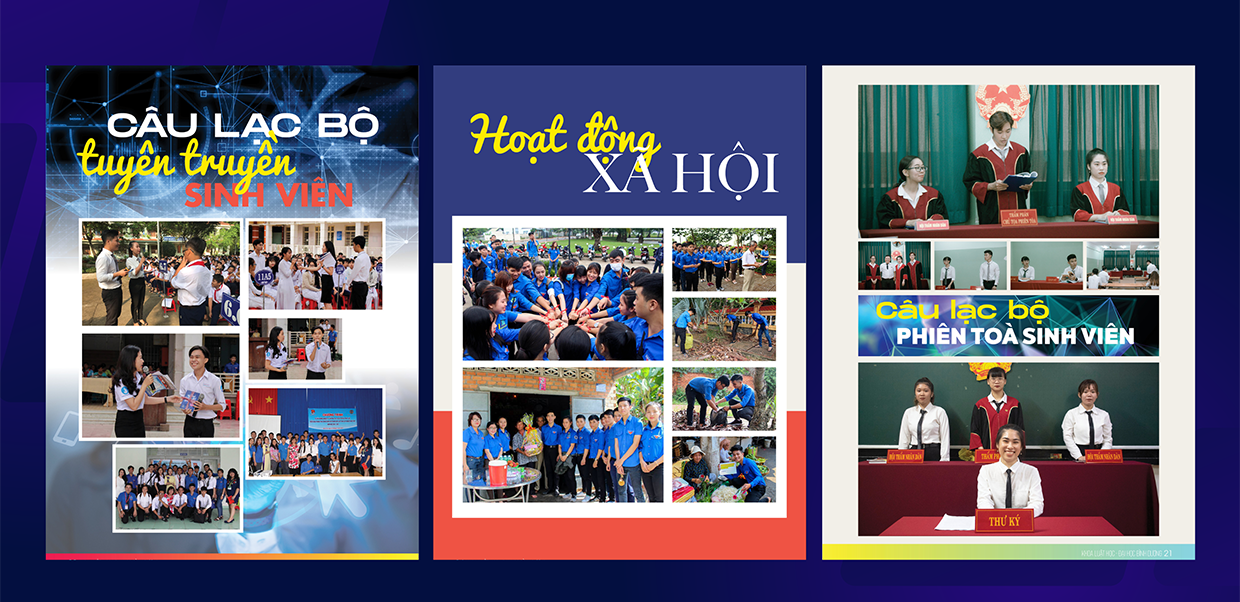
Giới thiệu về Khoa Luật
“HỌC THUYẾT CÁC BÊN LIÊN QUAN” VÀ NỘI LUẬT HÓA TRONG PHÁP LUẬT DOANH NGHIỆP VIỆT NAM
LUẬT SƯ CÔNG – GIỮA CÔNG LÝ VÀ TRÁCH NHIỆM XÃ HỘI
THÔNG TIN TUYỂN SINH KHOA LUẬT
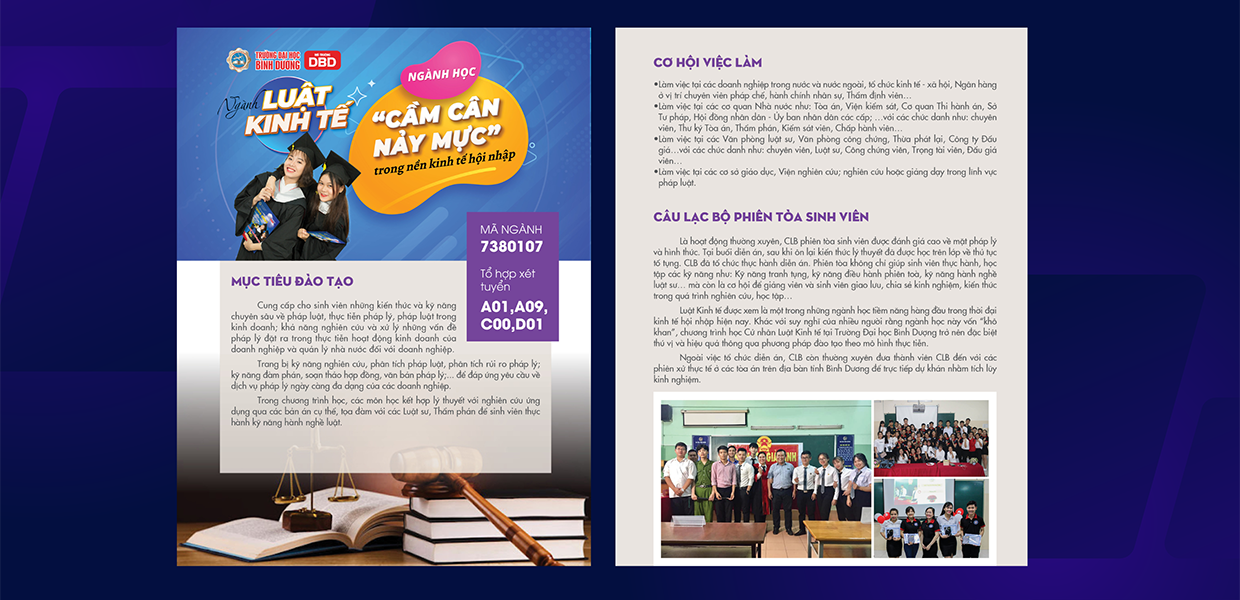
VÌ SAO LUẬT KINH TẾ TRỞ THÀNH NGÀNH HỌC CỦA THỜI ĐẠI SỐ?


 Zalo
Zalo
 Messenger
 Youtube
 Maps
Maps


